Preparing for a Commercial Technology Systems Project: What to Know Before You Start
The best technology projects start long before any equipment arrives on site. They start with preparation. IT managers and business owners who gather the right information ahead of time set their projects up for smoother timelines, fewer surprises, and better long-term results.
Whether you're planning a new security system, access control, audiovisual installation, or updating multiple systems at once, a little planning goes a long way. This blog post focuses on what to know and gather before that planning phase even begins.
What to Gather Before You Meet With a Technology Partner
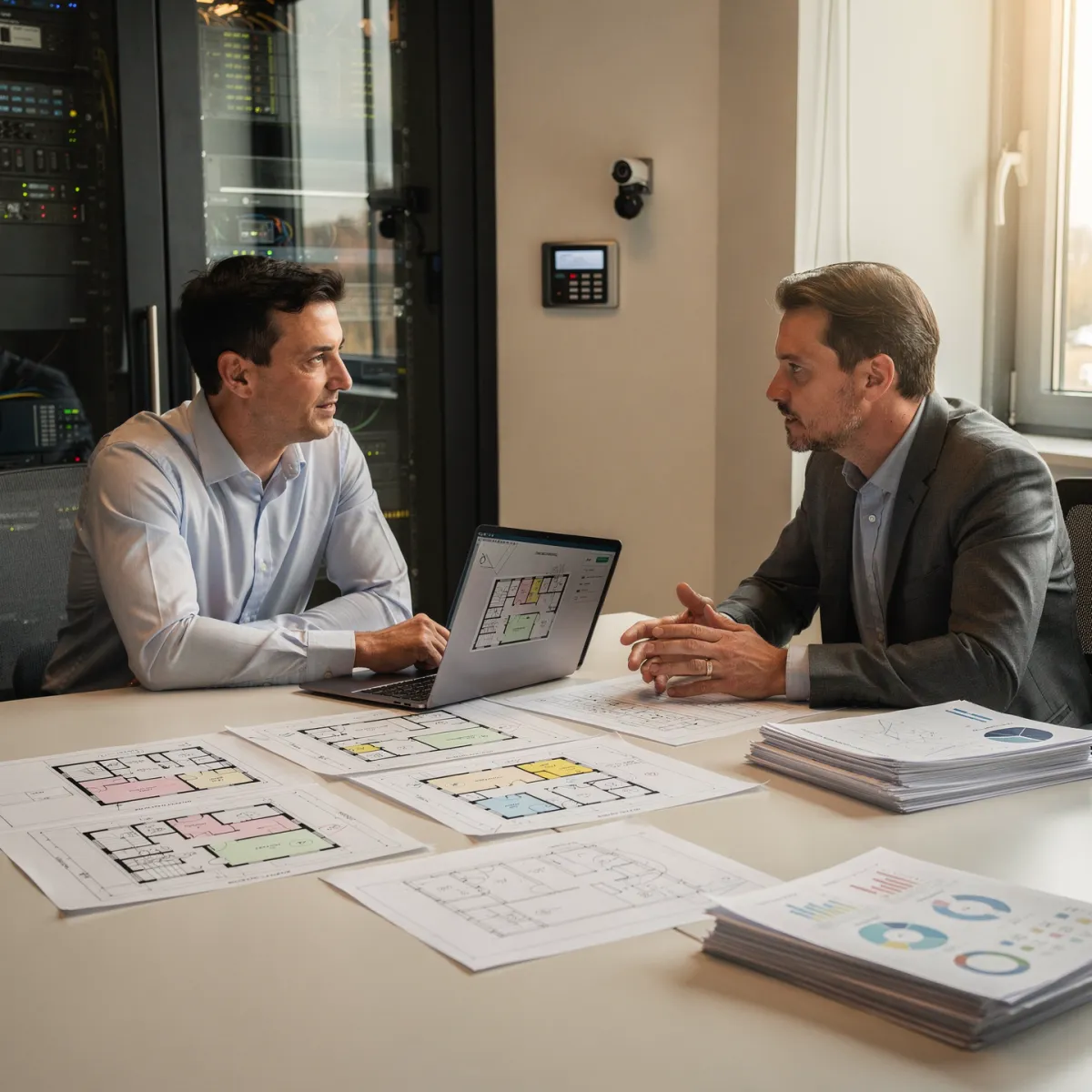
A productive first meeting depends on having the right information ready. Before you sit down with a technology partner, take time to gather:
Building details: Square footage, number of floors, room counts, and any architectural drawings or floor plans you have on hand.
Current systems inventory: What technology is already in place, including network infrastructure, security systems, AV equipment, and access control. Note what's working well and what isn't.
Network documentation: IT managers should have details on existing network architecture, bandwidth needs, and any planned IT initiatives that might affect the project.
Stakeholder list: Who needs to be involved in decisions, who uses the spaces day to day, and who will manage the systems after installation.
Having this information organized before your first conversation helps your technology partner ask better questions and give you a more accurate scope and estimate from the start.
Planning Steps That Help Projects Run Smoothly
Beyond gathering information, a few planning steps consistently help projects stay on track:
Walk your space with intention: Think about how each room or area actually gets used, not just how it was originally designed. Workflows change over time, and your technology should match how people use the space now.
Identify pain points early: If current systems are causing frustration, slowing people down, or creating security gaps, write those down. This becomes valuable input for your technology partner.
Loop in the right people early: Facilities, IT, operations, and leadership often have different priorities. Getting everyone's input before the project starts prevents conflicting requests later.
Build in lead time: Equipment and material lead times can affect your timeline significantly. The earlier you start the conversation, the more flexibility you have.
These steps require organization and a clear picture of how your building operates.
Why Defining Goals, Budget, and Needs Early Matters
Every successful project starts with clarity on three things:
What you're trying to accomplish
What you're able to invest
What your operation actually requires
Defining your goals means being specific. The more specific your goals, the more accurate your proposal will be.
Budget conversations work best when they happen early and honestly. Sharing a realistic budget range, even a broad one, helps your technology partner recommend solutions that fit your priorities instead of presenting options that don't align with what you're able to spend.
Operational needs tie it all together. Think about how systems need to function during business hours, after hours, during emergencies, and as your organization grows. A clear picture of these needs upfront leads directly to a design that fits, rather than one that requires costly adjustments later.
Preparation Sets the Foundation
The time you invest in preparation before a project begins pays off throughout the entire process. Clear information, defined goals, and early planning conversations all lead to more accurate proposals, smoother installations, and systems that actually work the way your business needs them to.
Want More Details Before You Start?
We've put together a free guide that walks through what to expect at each phase of a commercial technology project.
Access our complete guide here.
Or for expert input, our team at Integrated Building Systems can walk you through your goals and help you get a clear picture of what's possible.